10.0.0.0.1 Xfinity Login: Change Your Username and Password
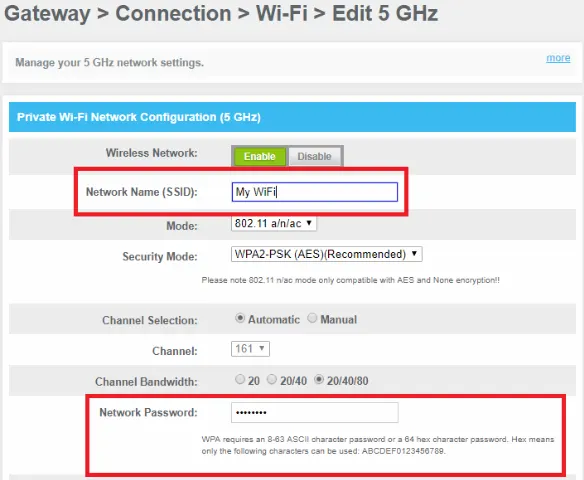
Many router makers use 10.0.0.0.1 as their login link, and several devices use these links to offer customization to users. It is part of a network ID group and is globally recognizable. If you check the back of your router, you will find it written in fine print. Many popular brands support this link, such as Xfinity, TP-Link and Cisco. Many private networks use this IP address, i.e. the 10.0.0.0.1 Xfinity Login, for their internet needs. It is important to know how to log in to this IP address, because there you can change settings like the Wi-Fi password, SSID and much more.
In this short guide, I am going to explain the steps for the 10.0.0.0.1 Xfinity Login and more. So, let’s have a look. First, we will discuss the steps for router setup and login. For this, you will have to set up a router connection with a computer. It is very easy to set up a new or old router connection at home. You can also set up the Wi-Fi network manually with the admin tool. One of the wireless gateway administration sites is http://10.0.0.0.1. Here you can log in and set up your username, password, parental controls and network settings, which include the firewall and open or closed ports.
It is important to do the 10.0.0.0.1 Xfinity Login because setting your own network username and password helps protect your home network from outside users, viruses and other threats. If you leave your wireless network unprotected, other people may use your internet connection, access the files on your computer and even find private information like passwords and credit card numbers.
How to Log In With the Admin Tool
Open a web browser on a laptop, computer, phone or tablet connected to the network and go to the admin tool at http://10.0.0.0.1. If you have previously changed the ID and password of the admin tool, log in with that information. Then go to the next step, i.e. changing your network name and password. The admin username and password are not the same as your Wi-Fi name and password. If you have not changed the username and password, log in with the username “admin” and the password “password”. You can also do a factory reset if you don’t remember your ID or password. Below, you will find the rest of the process for setting your username and password.
You can connect your laptop, phone or tablet directly to your gateway with an Ethernet cable, or connect wirelessly to your Wi-Fi network. Note that this is not the Xfinity Wi-Fi network. You can also set the default username and password. Now, here are a few tips for resetting your gateway. If you don’t remember the network name or the password and cannot get into the admin tool, you can always reset your gateway to its factory default settings. You should only do this as a last resort.
Default Settings
The steps to follow are: first, unplug your gateway’s power. Then press and hold the ‘reset’ button. Keep pressing the button and plug the gateway back in. Then continue holding the button for another 30 seconds. After that, all you have to do is wait for your gateway to reboot. Then log in with the password printed on the gateway’s label. After this, you can change your name and password. Remember to set a name and password that are easy for you to remember. Also note that any devices connected to the Wi-Fi, i.e. your laptop, phone, tablet, etc., will be disconnected. When you are done, you can reconnect to your Wi-Fi using the new network name and password.
Security Mode
If you have your own modem, you can go to the manufacturer’s website for more detailed information. Now, let’s look at the wireless gateway’s default security mode. The default security mode for the wireless gateway is WPA or WPA2. It is an advanced mode of wireless security that is extremely difficult to get past. Note that WPA security doesn’t work with some older operating systems. If you are not using a wireless gateway, you can check your security mode in your router’s user manual.
Conclusion
For advanced wireless gateway settings, you should do the following. Learn to adjust your firewall or set parental controls. You can also configure open ports on your wireless gateway, which is very helpful if you are planning to add a game console to your home network. You should also know about port forwarding and port triggering. Keep in mind that port forwarding may affect the overall performance of your network, and leaving a port open exposes your network to unwanted internet traffic.
Port triggering is a more secure option because the inbound port only opens when you start a session on that port. After the session ends, the port is closed to random inbound traffic, and your Wi-Fi network is closed to any potential hacker. Now that you know the various ways to do the 10.0.0.0.1 Xfinity Login, I hope you will try it and that it helps you change your network name and password.